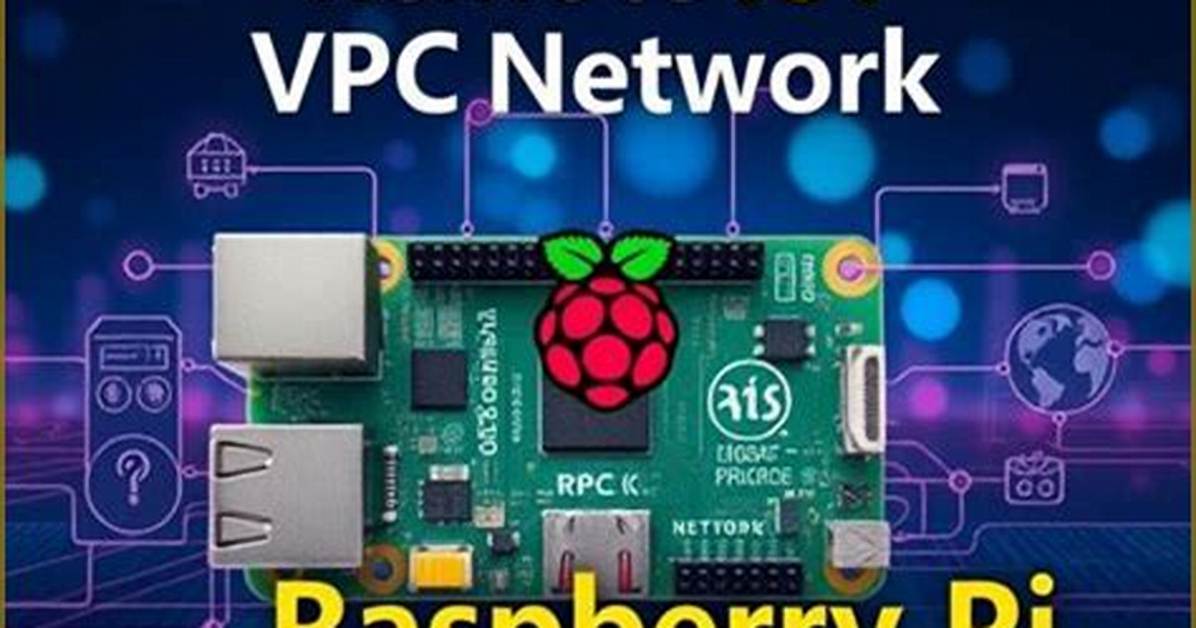
Connecting remotely to your Raspberry Pi using RemoteIoT VPC SSH is a powerful way to harness the capabilities of AWS for IoT applications. Whether you're managing a smart home system or deploying complex IoT devices, understanding how to set up and secure your connection is essential for success.
As the Internet of Things (IoT) continues to expand, the demand for secure and reliable remote access solutions grows exponentially. With AWS offering Virtual Private Cloud (VPC) capabilities, users can now create a secure network environment for their Raspberry Pi devices, ensuring that all data transmissions are protected.
In this comprehensive guide, we will explore how to configure RemoteIoT VPC SSH on Raspberry Pi with AWS. By the end of this article, you will have a solid understanding of the process and the tools required to set up your own secure IoT infrastructure. Let's dive in.
Introduction to RemoteIoT VPC SSH
RemoteIoT VPC SSH represents a cutting-edge solution for IoT enthusiasts and professionals alike. By integrating Raspberry Pi with AWS's Virtual Private Cloud (VPC), users can create a secure and scalable environment for their IoT projects. This setup allows for seamless remote access to devices while maintaining high levels of security.
The importance of secure connections in IoT cannot be overstated. With billions of connected devices worldwide, ensuring that data is transmitted securely and efficiently is paramount. AWS VPC provides the tools necessary to achieve this, while SSH ensures encrypted communication between your local machine and Raspberry Pi.
In this section, we will delve into the basics of RemoteIoT VPC SSH, exploring why it is an ideal solution for IoT projects and how it can enhance your workflow.
Overview of Raspberry Pi
What is Raspberry Pi?
Raspberry Pi is a credit-card-sized single-board computer designed to promote the teaching of basic computer science in schools and developing countries. It has since evolved into a versatile platform for hobbyists, developers, and professionals alike. With its low cost and high performance, Raspberry Pi has become a popular choice for IoT projects.
Key Features of Raspberry Pi
- Compact size and low power consumption
- Support for various operating systems, including Raspbian and Ubuntu
- GPIO pins for interfacing with hardware components
- Wi-Fi and Bluetooth connectivity
By leveraging the capabilities of Raspberry Pi, users can create innovative IoT solutions that are both cost-effective and powerful.

