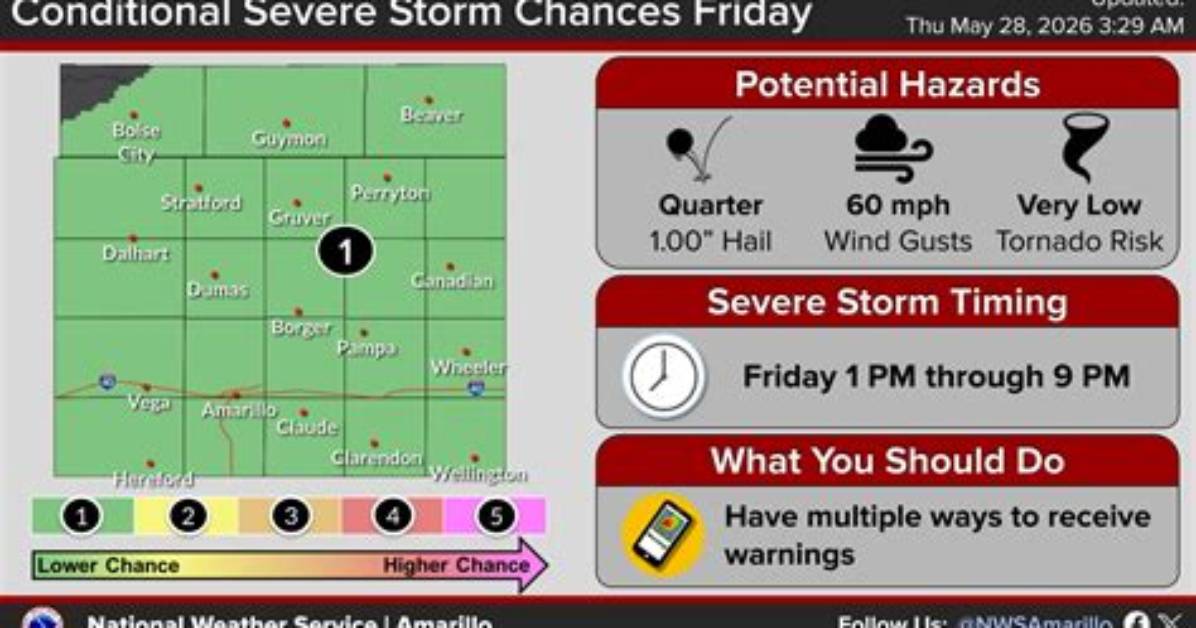
Amarillo, Texas, is known for its unique weather patterns that can change rapidly throughout the year. For residents and visitors alike, understanding the climate and weather conditions is crucial for planning activities and making informed decisions. This article will delve into the various aspects of Amarillo TX weather, providing a detailed overview of its characteristics, seasonal changes, and tips for navigating the weather effectively.
With its distinct seasons, Amarillo experiences a range of weather phenomena, from hot summers to cold winters. The city is located in the Texas Panhandle, which influences its weather patterns and contributes to its reputation for unpredictable conditions. In this article, we will explore the temperature ranges, precipitation levels, and other weather-related factors that define Amarillo's climate.
Whether you are a local resident or a visitor, being informed about the weather in Amarillo TX can enhance your experience and help you prepare for the elements. From understanding the best times to visit to knowing what to expect during specific seasons, this guide aims to provide you with all the information you need about Amarillo's weather.
1. Overview of Amarillo TX Weather
Amarillo TX weather is characterized by its semi-arid climate, which features hot summers and cold winters. The city experiences significant temperature fluctuations throughout the year, making it essential for individuals to stay updated on weather forecasts. Amarillo receives an average of 20 inches of precipitation annually, with most rain occurring in the spring and early summer.
2. Seasonal Weather Patterns
2.1 Spring Weather
Spring in Amarillo typically spans from March to May, with temperatures gradually warming up. During this season, average highs range from the mid-60s to the low 80s °F. However, spring can also bring severe weather, including thunderstorms and occasional tornadoes. It's crucial to stay informed about weather alerts during this time.
2.2 Summer Weather
Summer months in Amarillo, particularly June through August, can be quite hot. Average temperatures often exceed 90°F, with July being the hottest month. Rainfall is relatively low, but brief thunderstorms can occur. It's essential to stay hydrated and protect yourself from the sun during this season.
2.3 Fall Weather
Fall, from September to November, sees a gradual cooling of temperatures. Average highs range from the upper 70s to the mid-50s °F. This season is known for its beautiful foliage and pleasant weather, making it an ideal time for outdoor activities. Rainfall is moderate, and the risk of severe weather decreases.
2.4 Winter Weather
Winter in Amarillo, lasting from December to February, can be cold, with average temperatures ranging from the low 30s to mid-40s °F. Snowfall is not uncommon, though it varies from year to year. Residents should prepare for potential winter storms and icy conditions.

