Centerpoint power outage is a significant concern for many residents and businesses in the areas served by CenterPoint Energy. Understanding the causes and implications of these outages is crucial for both safety and convenience. In this comprehensive guide, we will explore the various aspects of power outages, including their causes, how to prepare for them, and what steps you can take to minimize their impact.
Power outages can be disruptive, affecting everything from daily routines to business operations. Knowing what to expect during a Centerpoint power outage can help you stay calm and prepared. In this article, we will delve into the common causes of these outages, the role of weather conditions, and the best practices for emergency preparedness.
By the end of this article, you will have a clearer understanding of Centerpoint power outages, enabling you to take proactive measures to safeguard your home and business. Let's dive into the details!
What is CenterPoint Energy?
CenterPoint Energy is a major utility company that provides natural gas and electricity services to millions of customers across several states, including Texas, Indiana, and Mississippi. The company's mission is to deliver safe and reliable energy services while promoting sustainable practices. With a vast infrastructure and a dedicated workforce, CenterPoint aims to minimize service interruptions and enhance customer satisfaction.
Common Causes of Power Outages
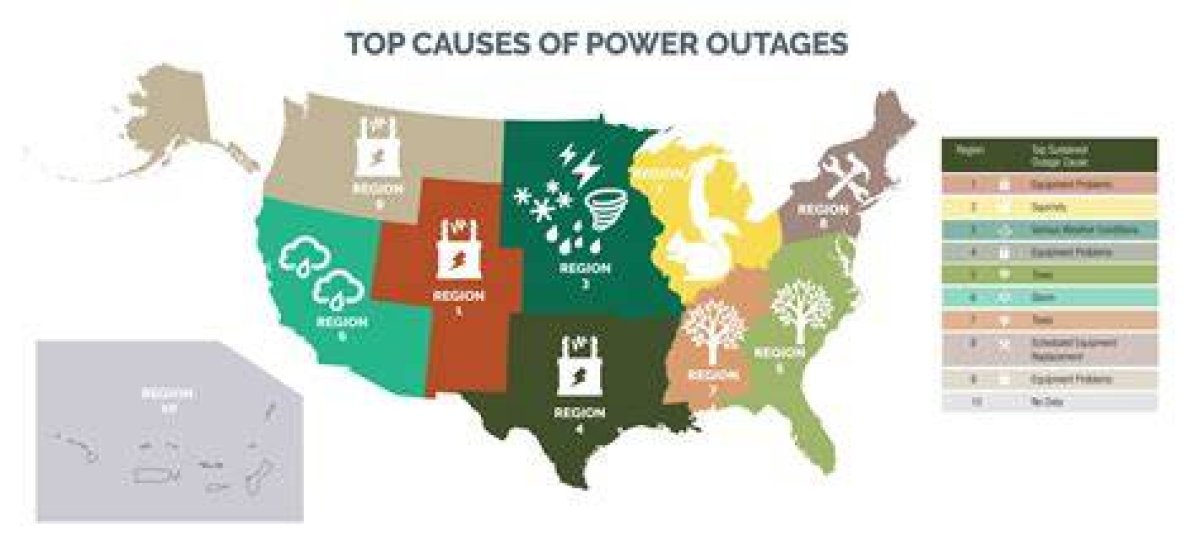
Power outages can occur for a variety of reasons, and understanding these causes can help you prepare effectively. Here are some of the most common causes of power outages:
Weather-Related Outages
Severe weather conditions are one of the leading causes of power outages. High winds, heavy rain, thunderstorms, and snow can damage power lines and equipment. According to the U.S. Department of Energy, weather-related outages account for approximately 70% of all power outages in the United States.
Equipment Failure
Sometimes, power outages occur due to equipment failure within the utility's infrastructure. Aging infrastructure, faulty components, or unexpected malfunctions can lead to service interruptions. Regular maintenance and upgrades are vital to reducing the frequency of these outages.
Human Error
Human error can also contribute to power outages. Mistakes made during maintenance, construction, or operation can accidentally disrupt service. Training and safety protocols are essential to minimize these risks.

